The crucifixion of Jesus: Medical and historical evidence
Why did Jesus die at the cross?
What would cause Jesus of Nazareth to willingly allow Himself to be whipped, mocked, spat on and then ultimately crucified? The long and the short of it is you and me. More specifically, it was the reality of sin - the barrier that separated humanity from its Creator.
God acted because of a love so profound it required a rescue mission. As human parents, we often feel a surge of love for our children so intense that we would do anything for them. If we, as flawed humans, feel this, imagine the depth of God's perfect love. He could not leave us trapped in sin without providing a way out. He rushed to our rescue because He loves us. God had to do what He did because He loved us and this was the only way we could have a real relationship with Him - to be called His children!
God proved His own love toward us, in that while we were still sinners, Christ died for us. (Rom. 5:8).
Christ's death leaves no room for doubt about God's love for us. It provides the assurance that, no matter what challenges life may bring, we can trust in the promise that "He who did not spare His own Son, but delivered Him up for us all, how shall He not with Him also graciously give us all things?" (Rom. 8:32)
From theology to forensic reality
For many, however, a profound question arises that goes beyond spiritual significance: Did Jesus truly die?
Was it a genuine physical expiration or could it have been a "fainting spell" or a misdiagnosed survival (often called the Swoon Theory)? This question isn't merely academic; it strikes at the very heart of the Christianity and so it is important to study this from the medical and historical perspective. To find the answer, we must step out of the sanctuary and into the trauma room, examining the Passion through the lens of modern medical knowledge and ancient Roman execution practices. What does the physical evidence - both from ancient accounts and contemporary forensic analysis, tell us about what happened on that Roman cross?
Can the death of Jesus be verified not just by faith, but by forensic science? Let's examine the physical evidence - from the physiological stress of Gethsemane to the final anatomical markers of death.
Hematidrosis: The physical impact of mental agony
The torture of Jesus Christ began right after the Last Supper, when Jesus and His disciples went to the Garden of Gethsemane. There Jesus prayed all night knowing what was to come and because of this He naturally was under a lot of stress and pain. The biblical accounts describe a level of agony so severe that his sweat "became like great drops of blood." From a clinical perspective, this phenomenon is identified as Hematidrosis.
Hematidrosis is an extremely rare but well-documented medical condition in which capillary blood vessels that feed the sweat glands rupture under the pressure of intense emotional or mental stress. The physiological mechanism involves the body's "fight or flight" response being pushed to a pathological extreme. During such episodes, the sudden constriction and subsequent dilation of these periglandular capillaries cause them to burst. The blood then enters the sweat glands and is exuded through the pores as a mixture of perspiration and blood.
The clinical significance of Hematidrosis in this context is twofold:
- Systemic Shock: The condition indicates a state of near-circulatory collapse and profound psychological trauma even before the physical arrest.
- Dermal Fragility: The chemical breakdown of the capillaries causes the surrounding skin to become exceptionally fragile and hypersensitive.
As noted by medical experts, including Dr. Alexander Metherell, where he says:
What happens is that severe anxiety causes the release of chemicals that break down the capillaries in the sweat glands. As a result, there's a small amount of bleeding into these glands and the sweat comes out tinged with blood.
This condition effectively "pre-treated" the skin for the trauma that followed. By the time Jesus faced the Roman scourging, his skin was already in a compromised, friable state. This ensured that the impact of the Roman flagrum would not just bruise the surface, but would more easily tear through the dermis and underlying subcutaneous tissue, accelerating blood loss and the onset of hypovolemic shock.
A medical emergency; if left untreated, the insufficient blood flow can cause damage and failure of organs. Consists of the heart races to pump blood that isn't there and blood pressure drops causing collapse. The kidneys shut down to prevent loss of whatever fluid is left and the person is extremely thirsty to replace the lost fluids
This medical reality refutes the idea that the crucifixion was a survivable event, as the physiological breakdown began hours before the first nail was driven.
Physical trauma: Beating and striking by the Jews and Romans
Following the onset of Hematidrosis, the physical assault on Jesus began with a series of blunt force traumas inflicted by both the Temple guards and Roman soldiers. This phase of the Passion is clinically significant as it established a foundation of soft-tissue damage and neurological shock prior to the more lethal stages of execution.
Blunt force trauma and facial edema
After His arrest in the Garden of Gethsemane, He was brought before the Sanhedrin where He was blindfolded, mocked and beaten. The Gospels recount that some spat on Him, slapped Him and struck Him with their fists ( Mat 26:67–68, Mar 14:65, Luk 22:63–64). These acts were not only meant to physically injure but also to humiliate and degrade Him. He was taunted with phrases like, 'Prophesy to us, Messiah! Who hit you?' - cruel mockery of His divine role and prophetic gift. From a medical standpoint, these blows to the head and face would have resulted in:
- Periorbital Hematoma: Severe swelling and extensive bruising around the eyes, likely resulting in partial or total closure of the eyelids.
- Facial Edema: Rapid accumulation of fluid in the soft tissues of the face, leading to significant disfigurement and vulnerability to fractures.
- Nasal and Mandibular Trauma: Strikes to the mid-face often result in fractures of the nasal bones and cartilage, causing epistaxis (severe nosebleeds) and compromising the airway.
Neurological and physiological softening
Later, under Roman custody, the abuse intensified. The soldiers, known for their harshness and disdain for those condemned, struck Jesus repeatedly and treated Him with savage cruelty. He was not just a criminal to them, but a spectacle - a so called 'King of the Jews' to be ridiculed. Joh 19:3 and Mat 27:30 states They struck Him in the face with a reed.
This repeated percussion to the cranium would likely induce concussive symptoms, including dizziness and disorientation. Clinically, this preliminary trauma served to soften the victim. The bruising (ecchymosis) and internal bleeding caused by these strikes sensitized the pain receptors (nociceptors). Because the skin was already weakened by the preceding Hematidrosis, these blunt strikes caused deep-tissue contusions that would be further exacerbated by the subsequent scourging.
Jesus bore this suffering voluntarily, absorbing the violence and hatred of humanity to offer peace and redemption. Every blow was an insult to His identity and mission, yet He endured it in silence - an image of divine humility and mercy.
Forensic correlation
The extent of this pain, disfigurement and trauma aligns with the prophetic description in fulfilling Isaiah 52:14, which says, His appearance was so disfigured beyond that of any human being and His form marred beyond human likeness.
Forensically, the Shroud of Turin also reflects this specific stage of abuse, showing distinct swellings under the eyes and a deviated nasal septum, consistent with a victim who has survived a severe, concentrated beatings to the face.
This stage of trauma ensured that by the time Jesus reached the pillar for scourging, his body was already entering a state of physiological exhaustion and heightened inflammatory response.
The Roman flagrum: More than a whipping
Roman flagellation was a legal prerequisite for every execution, intended to weaken the victim to the point of near-collapse without causing immediate death. In the case of Jesus, the Roman governor Pontius Pilate was trying to squelch a riot (Luk 23:22, Joh 19:4–6) and to appease the Jews, he wasn't holding back on Jesus! Yet, despite Jesus' mangled appearance, the crowd demanded more Crucify Him! The Gospels give little graphic detail, but historical records and Roman law provide insight into what Jesus suffered.
The mechanics of the flagrum
The instrument used, known as a flagrum or flagellum, consisted of several heavy leather thongs with weighted balls of lead or sharp pieces of sheep bone (tali) attached to the ends.
Unlike Jewish law, which limited lashes to forty, Roman law had no such restriction. As the soldier struck with full force, the heavy weights caused deep contusions, while the sharp bones and metal hooks tore into the skin and subcutaneous tissues. Because the skin had been sensitized by Hematidrosis, the flagrum would have shredded the skin with horrific efficiency.
The backs would be so shredded that at times the spine was left exposed by the deep cuts; and the whipping went anywhere from the shoulders and back down to the back of the legs! The early church historian (circa 3rd century) Eusebius wrote The veins were laid bare and the very muscles, sinews and bowels of the victim were open to exposure. Many people would die from this kind of beating even before they could be crucified, as hypovolemic shock sets in.
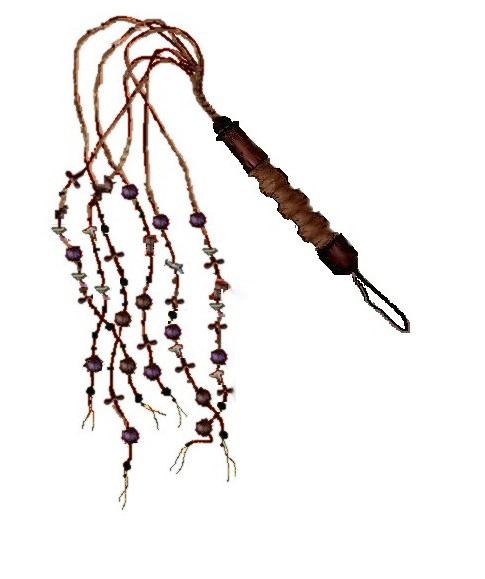
Roman Flagrum Photo by Rubén Betanzo S, via Wikimedia Commons, licensed under CC BY-SA 3.0

Whips were braided leather with small pieces of metal and sharp bone woven were commonly used. Such a device could easily cause disfigurement and serious trauma, such as ripping pieces of flesh from the body or loss of an eye. In addition to causing severe pain, the victim would approach a state of hypovolemic shock due to loss of blood.
The scourging
Roman scourging or flagellation, involved stripping the prisoner and tying him to a post. Soldiers then beat the victim with a flagrum - a multi-thonged whip embedded with pieces of bone and metal and meant to inflict as much damage as possible. Each lash tore into the skin, ripping flesh and muscle, sometimes even exposing bone or internal organs. For Jesus, who had already endured a sleepless night, betrayal, arrest and mockery, this punishment would have been excruciating. Isaiah 53:5 poignantly proclaims, He was wounded for our transgressions, He was bruised for our iniquities… and by His stripes we are healed. The stripes refer to the lashes He received - taken on behalf of the world's sin, bearing in His body the punishment due to others.
Clinical impact: Deep lacerations and muscular trauma
The medical consequences of this ordeal were catastrophic:
- Skeletal Muscle Exposure: The repeated blows tore through the latissimus dorsi and trapezius muscles. As the whipping continued, the lacerations extended into the underlying skeletal muscles, creating quivering ribbons of bleeding flesh.
- Thoracic Complications: Strikes to the back of the rib cage often caused rib fractures and severe bruising of the lungs (pulmonary contusion), making each subsequent breath an agonizing effort.
- Hypovolemic Shock: The most critical medical outcome was the onset of hypovolemic shock. This occurs when the body loses a significant portion of its blood and fluid supply. Symptoms include a rapid, thumping heart rate (tachycardia) as the heart struggles to pump non-existent blood, a precipitous drop in blood pressure and intense thirst as the kidneys attempt to compensate for the fluid loss.
Forensic and historical evidence
The historian Eusebius described the results of such scourging by noting that "the veins were laid bare and the very muscles, sinews and bowels of the victim were open to exposure." This level of trauma explains why many victims died at the pillar before ever reaching the cross.
The Shroud of Turin also correlates with this historical data, displaying over 120 distinct double-puncture wounds cover the back, shoulders and legs. Whip marks across the body were applied from different angles and heights, suggesting two executioners (one on each side) administered the beating. By the time the scourging was complete, Jesus was in a state of critical physiological failure - dehydrated, bleeding internally and hovering on the edge of cardiovascular collapse.
On the imprint of the long Sheet are also clearly visible a number of marks, falling all over the surface of the body, from the shoulders to the lower extremities of the legs: scholars interpreted those signs like the result of a terrible scourging, which was inflicted on the Man of the Shroud before crucifixion. The marks of flogging and crucifixion, like the great part of the wound marks visible on the cloth, strengthened the hypothesis of the identification of the Man of the Shroud with Jesus of Nazareth: the tortures suffered by the Man of the Shroud can be totally assimilated to the ones that, according to the Gospels, were inflicted on Jesus.

Full length negatives of the Shroud of Turin, via Wikimedia Commons, licensed under CC BY-SA 3.0

The crown of thorns: Neurological trauma and scalp hemorrhage
After the devastation of the scourging, the Roman soldiers subjected Jesus to a specific form of mockery that carried severe medical consequences. Popular history has the crown being in the shape of a simple circlet; however this is far from the truth. Historical and forensic evidence shows that the crown was not a simple wreath, but a woven cap of thorns covering the entire scalp. The actual crown of thorns was more like a cap that went all around his head (similar to the Imperial State Crown of Great Britain for example). The shroud of Turin has fifty holes where the crown was placed on Jesus's head - these were 3 inch Bethlehem thorns.
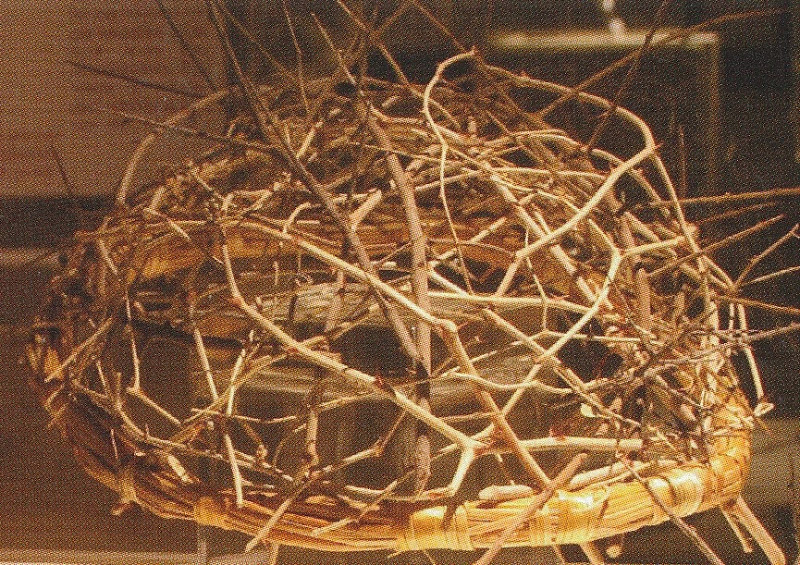
Image from Danin, A. (2010) Botany of the Shroud: The Story of Floral Images on the Shroud of Turin, p. 59. Danin Publishing: Jerusalem. Used under fair use for educational and commentary purposes.
It is important to note that the crown was made by interweaving (plaiting) the thorn twigs into a shape of a cap. This placed a large number of thorns in contact with the entire top of the head, including the front, back and sides. The blows from the reed across Jesus' face or against the thorns would have directly irritated the nerves or activated zones along the lip, side of the nose or face, bringing severe pain resembling a hot poker or electric shock. The pain would have lacinated across the sides of his face or deep into His ears. Bleeding would have resulted in penetrating small red vessels where the pain may have stopped momentarily only to recur at the slightest movement of the jaw or even the wind. The traumatic shock from the brutal scourging would have been further enhanced by the paroxysmal pains across the face. Exacerbations and remissions of throbbing bolts of pain would have occurred all the way to Calvary and during the crucifixion; activated by movements of walking, falling, twisting; from the pressure of the thorns against the cross, from the many shoves and blows by the soldiers
The scalp and profuse hemorrhage
The scalp is one of the most vascular areas of the human body, containing a dense network of arteries and veins. When the soldiers "struck Him on the head with a reed" (Mar 15:19), they drove the long, sharp thorns (likely from the Ziziphus spina-christi plant) deep into the dermal and subcutaneous layers.
Because the scalp lacks a significant layer of fat and the blood vessels are held open by dense connective tissue, wounds in this area do not easily constrict to stop bleeding. This resulted in profuse, continuous blood loss, further accelerating the hypovolemic shock initiated during the scourging.
Neurological impact: Trigeminal and occipital neuralgia
The application of the crown of thorns was not merely a source of surface pain; it involved deep nerve irritation:
- Trigeminal Neuralgia: The thorns would have pierced branches of the trigeminal nerve (the fifth cranial nerve), which provides sensation to the face and forehead. Irritation of this nerve causes "tic douloureux" - excruciating, electric-shock-like pains that are triggered by the slightest touch or movement of the facial muscles.
- Greater Occipital Nerve: Thorns at the back of the head would irritate the occipital nerves, causing intense, throbbing pain that radiates from the base of the skull toward the crown.
Forensic evidence from the Shroud of Turin
The Shroud of Turin provides remarkable corroboration for this specific trauma. Forensic analysis of the Shroud reveals over 50 distinct puncture wounds on the head, consistent with a cap of thorns. The blood flow patterns on the forehead (including a distinct "3-shaped" flow) indicate that the blood followed the natural furrows caused by the victim contorting his face in pain - a physiological response to the neurological trauma described above.
By this stage, the combination of blood loss from the scalp and the searing nerve pain ensured that Jesus was, as Dr. Metherell notes, in "serious to critical condition" before the procession to Golgotha even began.

Turin shroud positive and negative displaying original color information Photo by Dianelos Georgoudis, via Wikimedia Commons, licensed under CC BY-SA 3.0

In the accounts of Jesus Christ, He experienced every single one of these - when going up to Golgotha he staggered, fell and needed help to carry the cross. He cried out and said "I thirst" on the cross and was offered vinegar. Dr. Metherell adds Because of the terrible effects of this beating, there's no question that Jesus was already in serious to critical condition even before the nails were driven through his hands and feet
We also find further evidence that corroborates this account with the Shroud of Turin which bears witness to the extent of His suffering, the crown of thorns as well as the blood loss.
Carrying the cross - The patibulum
Following the critical trauma of the scourging and the neurological impact of the crown of thorns, Jesus was forced to carry the patibulum (the horizontal crossbeam) to the site of execution - Golgotha or "the Place of the Skull" (Joh 19:17). This journey, known as the Via Dolorosa or Way of Sorrow is traditionally believed to be about 2000 feet (600 meters) through the crowded streets of Jerusalem. But this was no ordinary walk. Jesus, already weakened and bleeding from the scourging and beatings, now had to carry the heavy wooden beam. As He walked, His torn and bruised back pressed against the rough wood. Each step was agony - the weight of the patibulum caused Him to stumble, reopening wounds and adding fresh abrasions to His knees and hands.
Jesus carries the burden not only of wood, but of sin - the guilt, shame and rebellion of the world. The path to Golgotha was not just physical but spiritual. Jesus was walking toward His ultimate sacrifice, weighed down by human suffering and divine purpose. His sacrifice and submission to the Father's will - a love so great for us that it bore the heaviest burden of all.
Orthopedic exhaustion and trauma
The patibulum typically weighed between 75 and 125 pounds (34 - 57 kg). For a victim already suffering from hypovolemic shock, this weight was catastrophic:
-
Abrasive Friction: The rough-hewn wood was placed directly across the lacerated shoulders and back. Each movement caused the beam to grind into the exposed skeletal muscles and nerves, reopening wounds that had begun to clot and inducing fresh hemorrhage.
-
Repeated Falls: The Gospel accounts and forensic markers suggest multiple falls. Without the use of his arms to break these falls (as they were often lashed to the beam), Jesus would have struck the ground with his knees and face. This likely resulted in "pre-patellar" abrasions and further blunt force trauma to the chest and head.
Pulmonary and cardiovascular strain
The act of carrying the crossbeam forced the body into a state of extreme compensatory strain:
-
Pulmonary Edema: The combination of severe blood loss and the physical exertion of carrying the weight likely led to the early stages of fluid accumulation in the lungs. This made it increasingly difficult for Jesus to maintain the oxygen levels necessary to sustain his vital organs.
-
Postural Hypotension: As Jesus struggled to remain upright, his compromised circulatory system would have struggled to provide blood to the brain, leading to the episodes of collapse described in the biblical records.
Clinical intervention: Simon of Cyrene
It's easy to imagine the scene - a jeering crowd, soldiers driving Him forward with whips and Jesus struggling under the crushing burden. The Roman soldiers' decision to compel a bystander - Simon of Cyrene to carry the cross (Luk 23:26), was likely a pragmatic medical decision. Seeing that Jesus was frequently collapsing, the centurion in charge would have recognized that the prisoner was at risk of "vagal syncope" or cardiac arrest before reaching the execution site. By shifting the weight to Simon, the Romans ensured the victim would survive long enough to be subjected to the final, intended trauma of crucifixion.
Forensically, the Shroud of Turin also corroborates this specific phase of the Passion, showing two distinct broad areas of bruising and rubbing over the shoulder blades (scapular regions), consistent with the friction of a heavy, rough object being carried across the back.
Nail placement: Severe nerve damage
One of the most debated medical details of crucifixion is where the nails were placed. Traditional artwork usually depicts nails driven through the palms of the hands, yet modern medical analysis suggests this would not have been physically sufficient to support the body's weight. Under the strain of suspension, the soft tissues of the palm would likely tear, causing the victim to fall from the cross. For this reason, many historians and medical researchers argue that the nails were driven through the wrists, specifically through an area known as the space of Destot between the wrist bones.
As painful as this was, Jesus still had to endure far more. The upright beam of the cross would already have been fixed into the ground, while the condemned person carried the horizontal crossbeam, or patibulum, to the execution site. Jesus would then have been laid upon the beam with His arms outstretched while Roman soldiers drove tapered iron spikes were 5 to 7 inches (13-18 cm) long (see illustration below) and driven into His wrists to support the weight of His body while hanging.
Paintings show pictures through the palms, that isn't true. It was through the wrists. This was a solid position that would lock the hand; if the nails had been driven through the palms, his weight would have caused the skin to tear and he would have fallen off the cross. So the nails went through the wrists, although this was considered part of the hand in the language of the day. The pain was absolutely unbearable. In fact, it was literally beyond words to describe - they had to invent a new word excruciating. Think of that: They needed to create a new word, because there was nothing in the language that could describe the intense anguish caused during the crucifixion.
At this point Jesus was hoisted as the crossbar was attached to the vertical stake and then nails were driven through Jesus' feet. Again, the nerves in his feet would have been crushed and there would have been a similar type of pain.

Nail & Heel Bone - Evidence of Crucifixion in Jerusalem 1st C. AD Photo by Gary Todd, via Wikimedia Commons, licensed under CC BY-SA 1.0

Median nerve impalement and neuropathy
The placement of the nails through the flexor retinaculum (the wrist) rather than the palms was medically necessary for suspension. This path likely caused the following:
-
Median Nerve Compression: The spikes would have crushed or severed the median nerve, one of the major nerves controlling the hand. This results in causalgia, a chronic, high-intensity burning sensation that radiates through the arms and causes the fingers to contract uncontrollably.
-
Adduction of the Pollex: Damage to this nerve causes the thumb to involuntarily adduct across the palm, contributing to the "claw hand" deformity.
-
Excruciating Neuralgia: The term excruciating (Latin:
ex cruciatusor "out of the cross") was specifically derived to describe this level of nerve-shattering agony that surpassed existing medical terminology.
Plantar nerve trauma and pedicular fixation
Once attached to the crossbeam, Jesus would have been hoisted upward and secured to the vertical stake. Nails were then driven through the feet as well. Securing the lower extremities involved driving nails through the tarsus or the space between the second and third metatarsals.
-
Plantar Nerve Laceration: Similar to the wrists, the nails would have impaled the medial and lateral plantar nerves, triggering constant sensory overload and sharp, lancinating pain.
-
Osteological Impact: The nails would have likely shattered or bypassed the small tarsal bones, providing enough structural integrity to support the body's weight while maintaining maximum nerve exposure.
Orthopedic disarticulation and suspension trauma
Once Jesus was hoisted, the physics of suspension forced His body into a lethal posture:
-
Glenohumeral Dislocation: The weight of the body, combined with the downward pull of gravity, would cause the humerus to dislocate from the scapula (shoulder joint).
-
Distension of the Thoracic Cage: This displacement would stretch the arms by several inches, pulling the skeletal system to its breaking point - a clinical manifestation of the "out of joint" description in Psalms 22:14, "All my bones are out of joint."
First of all, his arms would have immediately been stretched, probably about six inches in length and both shoulders would have become dislocated - you can determine this with simple mathematical equations. This fulfilled the Old Testament prophecy in Psalms 22:14, My bones are out of joint and They pierced My hands and My feet; I can count all My bones., which foretold the crucifixion hundreds of years before it took place
Asphyxiation: The primary mechanism of death on the cross
When someone is suspended upright during crucifixion, death comes slowly and painfully, primarily due to suffocation. The physical position of the body on the cross created a lethal one-way respiratory valve. Because the arms were outstretched and the weight of the body was suspended downward, the intercostal muscles and the diaphragm were pulled into a state of permanent inhalation. While the victim could draw air in, the thoracic cavity was too distended to naturally expel it.
To initiate exhalation, the victim was forced into a grueling cycle of active movement. They had to pivot their weight onto the nails in their feet, straightening their legs to lift the torso. This agonizing lift allowed the chest muscles to relax enough for a brief, shallow exhale. Once a gasp of air was exchanged, the sheer exhaustion and the tearing pain in the feet would force the victim to slump back down, returning to a state of slow suffocation.
Respiratory acidosis
As this cycle repeated over several hours, the body's compensatory mechanisms eventually failed, leading to Respiratory Acidosis.
- Carbon Dioxide Retention: As breathing became shallower, CO2 levels in the blood surged.
- pH Imbalance: The excess CO reacted with water in the blood to form carbonic acid (H2CO3), causing the blood's pH level to drop dangerously.
- Systemic Failure: This acidic environment acted as a chemical toxin to the heart, triggering life-threatening arrhythmias (irregular heartbeats).
As breathing became increasingly shallow, the individual would enter a state known as respiratory acidosis. In this state, carbon dioxide accumulates in the bloodstream, combining with water to form carbonic acid, which raises the blood's acidity. This chemical imbalance disrupts the heart's normal rhythm, leading to arrhythmia, just before succumbing to cardiac arrest.
Additionally, even prior to death, the severe blood loss would have triggered hypovolemic shock, keeping the heart racing in an effort to maintain circulation. This rapid heart rate would have further strained the cardiovascular system, likely leading to heart failure. Such a failure can cause fluid to accumulate around the heart (called pericardial effusion) and in the chest cavity around the lungs (called pleural effusion)
Hypovolemic shock
Combined with hypovolemic shock from massive blood loss, the heart was forced to pump faster and harder against a diminishing volume of oxygenated blood. This extreme cardiovascular strain inevitably resulted in heart failure, manifesting as the pericardial and pleural effusions (the "blood and water"). By the time Jesus uttered His final words, His body was in a state of total multi system organ failure; the "spirit" was committed at the precise physiological moment where the heart could no longer sustain a beat and the lungs could no longer clear the rising tide of acid.
Jesus would have felt his heart faltering, signaling to Him that death was imminent - prompting Him to utter, Father, into your hands I commit my spirit just before He died!
The evidence for his death speaks for itself when the Roman soldier came around and, being fairly certain that Jesus was dead, confirmed it by thrusting a spear into His right side - the spear went through the right lung and into the heart, so when the spear was pulled out, some fluid i.e the pericardial effusion and the pleural effusion, came out. This would have the appearance of a clear fluid, like water, followed by a large volume of blood, as the eyewitness John described in his gospel.
There was absolutely no doubt that Jesus was dead
Forensic evidence of death: The spear and the shroud
Pericardial effusion: The blood and water
The terminal event of the crucifixion, as recorded in the Gospel of John's account, provides a striking clinical marker that satisfies both historical and forensic criteria for death. The evidence for his death speaks for itself when the Roman soldier came around and, being fairly certain that Jesus was dead, delivered the final blow - he bypassed the customary crurifragium (breaking of the legs) because the subject appeared already deceased. To ensure this, he utilized a longa (spear) to pierce the thoracic cavity.
From a medical standpoint, the description of "blood and water" flowing from the wound is highly significant. Under conditions of extreme physical trauma and progressive heart failure, two distinct fluid accumulations likely occurred: pericardial effusion (fluid around the heart) and pleural effusion (fluid in the lungs). The spear, likely entering the right side of the chest, would have punctured the pleural space and the pericardium, potentially entering the right atrium of the heart. The "water" described was likely the clear serous fluid from these sacs, while the "blood" originated from the intracardiac volume.
The 'Swoon Theory' vs forensic reality
Medical evidence doesn't change with time. All the evidence speaks clearly for itself. The apostle John had no possible way of knowing the details but describes the effect exactly as medical science describes the cause of death - almost 2000 years before we know the human body today! Jesus couldn't possibly have faked his death, because you can't fake the inability to breathe for long. The spear thrust into his heart settles the issue once and for all. Besides, the Romans weren't new to this, nor were they willing to risk their own death by allowing Jesus to just walk away alive.
This specific detail acts as a definitive rebuttal to the 'Swoon Theory' - the 18th-century hypothesis suggesting Jesus merely fainted and was later revived. Forensically, a spear thrust that produces such a volume of fluid indicates a catastrophic failure of the cardiovascular system. Even if Jesus had survived the scourging, the hypovolemic shock and the exhaustion asphyxia, the thoracic wound alone was a lethal "coup de grâce." There is no physiological mechanism that allows a human to survive the penetration of the pericardium and the subsequent collapse of the lungs without immediate, modern surgical intervention.
Furthermore, forensic evidence from the Shroud of Turin - widely studied by the STURP team (Shroud of Turin Research Project) and various pathologists, corroborates this trauma. Forensic mapping of the Shroud reveals a distinct post-mortem wound on the right side, consistent with the dimensions of a Roman lancea. The blood flow patterns around this wound indicate that the blood was gravity-driven and lacked the pulsatile pressure of a living heart, confirming that the heart had stopped before the spear was ever even drawn. The presence of high concentrations of bilirubin and creatinine in the blood stains further points to a death preceded by intense physical torture and severe metabolic stress.
Ultimately, the confluence of Roman execution protocol and observed clinical pathology leaves no room for ambiguity. The spear did not just confirm death; it ensured it, leaving behind a forensic footprint that remains consistent with modern traumatology.
The 'Substitution Theory' vs forensic reality
Others of the Islamic faith, claim that Jesus was substituted on the cross i.e., a random individual was swapped for Jesus at the last moment. This collapses when confronted with the forensic "trauma signature" required to produce the observed pericardial and pleural effusions. For the spear thrust to yield both "blood and water," the victim must have already progressed through the advanced stages of hypovolemic shock and congestive heart failure, a process that requires hours of specific, systemic physical trauma. A healthy substitute would not have had the clear serous fluid (the "water") accumulated around the heart or in the lungs. This fluid is a biological byproduct of the prolonged scourging, the respiratory struggle of crucifixion and the subsequent metabolic breakdown.
Sheikh Imran Hosein is an Islamic scholar from Trinidad and Tobago, who himself argues against this line of logic and cautions anyone to be careful using this argument in multiple [videos such as] (https://www.youtube.com/watch?v=VSmAlRZbJzM) or this one The theory ultimately requires believing that God allowed Jesus’ followers, His mother, the Roman authorities and eventually much of the world to be deceived into believing a false crucifixion occurred.
For you to come with some red herring that he did something else for which the punishment was death that's rubbish. Take it and put it in the garbage bin. I don't want to claim to hate that innocent man who never claimed to be the Messiah was crucified for claiming to be the Messiah - that's an act of injustice God is not unjust. This theory of substitution must be rejected by all right-thinking and clear thinking people and we want to reject it one more time unqualified. This nonsense this act of injustice ….
and those who hold this view will have to answer to God for it one day. I have to use this very strong language because there are those who have eyes and yet do not see and they're heading straight into the fire with this …
Furthermore, professional Roman executioners would have immediately identified a "fresh" victim who lacked the deep, wrap-around lacerations of the flagrum or the distinct, profuse hemorrhaging from a crown of thorns. In a forensic sense, the "blood and water" acts as a physiological receipt, proving that the man on the cross had undergone the exact, sustained torture sequence recorded in the historical records, rendering a last-minute replacement medically impossible.
Investigating the evidence of Jesus' death on the cross
When it comes to this subject, few medical experts can match the reputation of Dr. Alexander Metherell, M.D., Ph.D. He holds a medical degree from the University of Miami, Florida and a doctorate in engineering from the University of Bristol, England. Dr. Metherell has conducted extensive research into the historical, archaeological and medical aspects of the crucifixion of Jesus of Nazareth. On the medical side, he is certified in diagnostic radiology by the American Board of Radiology and has served as a consultant for the National Heart, Lung and Blood Institute, a division of the National Institutes of Health in Bethesda, Maryland. A former research scientist and educator at the University of California, he has also contributed to leading scientific publications, including Aerospace Medicine and Scientific American.
In his famous analysis (notably featured in The Case for Christ), Dr. Metherell argues that the Roman executioners were "experts in death," and the medical data supports their professional assessment. He focuses on three primary pillars of proof:
1. The hypovolemic exhaustion
Metherell points out that before Jesus even reached the cross, he was in "serious to critical condition." The scourging had produced hypovolemic shock–a state where the heart races to pump blood that isn't there. Metherell notes that this leads to a "lowering of blood pressure, which leads to fainting or collapse," and importantly, causes the kidneys to stop producing urine to maintain volume. By the time of the crucifixion, Jesus was already at the threshold of death.
2. The mechanics of asphyxiation
Metherell describes crucifixion as "a lingering death by asphyxiation." He explains that the stress on the muscles and diaphragm puts the chest in the inhale position. To breathe out, the victim must scrape their bloodied back against the rough wood of the stipes (upright post) and push up on the nails in the feet. Metherell concludes that death occurs when the victim becomes so exhausted that they can no longer "shiver" or push up to breathe, leading to respiratory acidosis and eventually cardiac arrest.
3. The 'coup de grâce': The spear thrust
When addressing the "Swoon Theory" (the idea that Jesus survived), Metherell is most emphatic. He explains that the Roman soldier's spear thrust was not a casual poke; it was a practiced movement intended to ensure death.
"The spear went through the right lung and into the heart, so when the spear was pulled out, some fluid - the pericardial effusion and the pleural effusion came out. This would have the appearance of a clear fluid, like water, followed by a large volume of blood." Metherell argues that even if Jesus had been alive before the spear thrust, the act of piercing the pericardium and the heart would have been immediately fatal.
Dr. Metherell's professional opinion is that there is no medical possibility for survival. He famously stated that even with modern medical technology and an ICU waiting at the foot of the cross, the level of tissue damage, blood loss and organ failure would have been nearly impossible to reverse. His verdict is clear: The historical and medical records are in total alignment - Jesus of Nazareth was unequivocally dead before he was taken down from the cross.
Even modern forensic research such as peer-reviewed medical journals published by the American Medical Association confirms that crucifixion leads to death, there can be no doubt!
Jesus of Nazareth underwent Jewish and Roman trials, was flogged and was sentenced to death by crucifixion. The scourging produced deep stripe like lacerations and appreciable blood loss and it set the stage for hypovolemic shock, as evidenced by the fact that Jesus was too weakened to carry the crossbar (patibulum) to Golgotha. At the site of crucifixion, his wrists were nailed to the patibulum and, after the patibulum was lifted onto the upright post (stipes), his feet were nailed to the stipes. The major pathophysiological effect of crucifixion was an interference with normal respirations. Accordingly, death resulted primarily from hypovolemic shock and exhaustion asphyxia. Jesus' death was ensured by the thrust of a soldier's spear into his side. Modern medical interpretation of the historical evidence indicates that Jesus was dead when taken down from the cross.
The Shroud of Turin: A Silent Witness to Suffering
The Shroud of Turin remains the most studied archaeological artifact in human history, acting as a high-resolution "forensic map" of the events described in the previous sections. Measuring 14 feet 3 inches by 3 feet 7 inches, this ancient linen cloth bears the faint, straw-colored image of a man who has succumbed to the exact physiological horrors of Roman crucifixion. When analyzed through the lens of modern forensic pathology, the Shroud transitions from a religious relic to a complex medical document.
The anatomical precision of trauma
Forensic experts, including those associated with the STURP (Shroud of Turin Research Project), have noted that the image is not a painting; it contains no pigments, carrier media or brush strokes. Instead, the image is a superficial oxidation of the linen fibers, providing a mathematically perfect 3D mapping of a human body.
The bloodstains: on the Shroud are composed of actual Type AB hemoglobin and they exhibit the specific characteristics of pre-mortem and post-mortem bleeding.
The Scourge Marks: The back and legs show over 120 dumbbell-shaped wounds consistent with the Roman flagrum. These wounds wrap around the torso, indicating two executioners of different heights standing on either side of the victim.
The Scalp: There are numerous puncture wounds across the entire "helmet" of the scalp, rather than a traditional circlet. This aligns with the profuse bleeding mentioned in the section on the Crown of Thorns, where the blood follows the natural contours of the forehead and hair.
The Side Wound: A large, post-mortem bloodstain exists on the right side of the chest. Forensically, this stain shows a separation of blood and a clear watery fluid - corroborating the pericardial effusion observed during the spear thrust.
Forensic signature of the crucified man
The man of the Shroud exhibits the "crucifixion posture." The thumbs are not visible, a phenomenon known as Destot's Sign; when a nail is driven through the Space of Destot in the wrist, it pierces the median nerve, causing the thumb to involuntarily flex into the palm. Furthermore, the distension of the chest and the position of the feet - one superimposed over the other - match the orthopedic requirements of suspension trauma and exhaustion asphyxia discussed by experts like Dr. Metherell.
Scientific enigmas
Researchers at evidenceformyfaith.com and the Turin Project highlight that the bloodstains occurred before the image was formed, as there is no image underneath the blood. This suggests the blood protected the linen while the image-forming process - which some scientists now hypothesize was a burst of vacuum ultraviolet radiation - scorched the uppermost fibers. The Shroud does not show signs of decomposition or "smearing" that would occur if a body were physically unwrapped, suggesting the body was removed from the cloth within 36 to 48 hours in a way that remains scientifically unexplained. Ultimately, the Shroud serves as a silent, medically accurate witness, providing a forensic "receipt" for the precise physical suffering of Jesus of Nazareth.
A convergence of faith, history and medicine
The death of Jesus of Nazareth stands as a pivotal moment in human history, not just theologically, but also from historical and medical viewpoints. Biblically, His crucifixion is portrayed as the ultimate act of love - God's answer to humanity's sin - where justice and mercy converge at the cross! The Scriptures affirm that Jesus died willingly, bearing the weight of our sin to restore our relationship with God.
Historically, Roman crucifixion is well-documented as one of the most excruciating forms of execution. Contemporary accounts from both biblical sources and Roman historians corroborate the Gospel accounts, indicating Jesus' death was consistent with the brutal norms of the time.
Medically, modern forensic research such as peer-reviewed medical journal article On the Physical Death of Jesus Christ, published by the American Medical Association confirms that crucifixion leads to death by a combination of factors: hypovolemic shock from blood loss, exhaustion asphyxia and ultimately cardiac arrest.
These align precisely with what the Gospel writers recorded - Jesus' inability to carry His cross, the flow of blood and water from His side and His final cry before death
Together these three streams - scripture, history and science all converge to affirm not only that Jesus truly died, but also underscore the profound significance of why He did! The death of Jesus changes everything!
You now have a choice to make - ultimately if Jesus' death was real, if His resurrection was real; then everything about Him was real! That also means that there is a God who is real, He loves you and me and desires to have a relationship with each one of us!
It is only through Jesus' sacrifice on the cross that we who repent are justified before God.
It is only through Christ's resurrection that we have victory over sin, guilt and death.
FAQ - The crucifixion of Jesus
What is the significance of 'by His wounds we are healed'?
The phrase 'by His wounds we are healed' comes from Isaiah 53:5 and points to the healing made possible through Jesus' suffering and sacrifice. Christians understand this healing primarily as spiritual restoration - forgiveness of sin, reconciliation with God and inner renewal. Many believers also see it as a source of emotional, mental and physical healing through faith and prayer.
How does Jesus' crucifixion heal us today?
Christians believe Jesus' crucifixion brings healing by offering forgiveness, freedom from guilt and reconciliation with God. Through faith in Christ, believers can experience spiritual renewal, emotional restoration, peace and hope during suffering. The message of the cross reminds people that God understands human pain and offers comfort, grace and eternal hope.
Is the crucifixion of Jesus a historical fact?
Yes. While the religious significance is a matter of faith, the event itself is one of the most certain facts of the 'Historical Jesus.' It is documented not only in the Bible but also by non-Christian Roman and Jewish historians like Tacitus and Flavius Josephus.
How do medical and historical analyses affirm Jesus' death on the cross?
Medical and historical scholars have examined the Gospel data (nailing, spear thrust, absence of bone breaking, bodily execution) and Roman practices. Their findings often affirm that the crucifixion was lethal under such trauma. Additionally, early Christian testimony and non-Christian sources corroborate that Jesus' death was accepted by contemporaries, not reversed or faked.
What does 'healing through the blood of Jesus' mean?
The phrase 'healing through the blood of Jesus' refers to the fact that Jesus' sacrificial death on the cross brings cleansing, forgiveness and restoration. In Christianity, His blood symbolizes the covenant of salvation and the power to redeem people from sin. Many believers also pray in faith for emotional, spiritual and physical healing through Christ's sacrifice.
How can I find peace through the crucifixion of Christ?
Many Christians find peace through the crucifixion of Christ by remembering that Jesus willingly suffered out of love for humanity. The cross is seen as a reminder that God offers forgiveness, grace and hope even in painful circumstances. Prayer, reading Scripture, worship and trusting in God's promises can help believers experience comfort, strength and inner peace through faith in Christ.
What evidence is there for the Shroud of Turin?
The evidence for the Shroud of Turin investigations:
-
Manservigi, F., & Morini, E. (2014). The hypotheses about the Roman flagrum. St. Louis Shroud Conference.
-
Heller, J. H., & Adler, A. D. (1980). Blood on the Shroud of Turin. Applied Optics.
-
Jumper, E. J., et al. (1984). A Comprehensive Examination of the Various Stains and Images on the Shroud of Turin. ACS Advances in Chemistry.
-
Heller, J. H., & Adler, A. D. (1981). A Chemical Investigation of the Shroud of Turin. Canadian Society of Forensic Science Journal.
-
Schneider, R. J. (2014). Dating the Shroud of Turin: Weighing All the Evidence. St. Louis Shroud Conference.
-
Dreschnack, P. A. (2021). An Analysis of the DNA and Hematological Findings of the Shroud of Turin and the Sudarium of Oviedo. Harvard University DASH.
-
Resende, J. (2017). Jesus' Wounds. International Workshop on Acheiropoietos Images.
-
Fanti, G., & Marinelli, E. (1998). Results of a Probabilistic Model Applied to the Research Carried Out on the Turin Shroud. International Congress on the Shroud of Turin.
-
Adler, A. D. (1999). The Nature of the Body Images on the Shroud of Turin. Anthropology & Science.
-
See shroud.com for more studies on the Shroud of Turin.
Why is the crucifixion central to Christian faith?
The crucifixion is the central redemptive act: Jesus bore the penalty for sin, satisfied divine justice, overcame spiritual powers and made possible reconciliation between God and humanity. Without the reality of His sacrificial death, the Christian gospel loses its foundational meaning.
The crucifixion also fulfills Old Testament prophecy, such as Psalm 22, Isaiah 53 and Zechariah 9-13 prophecies anticipated details of suffering, piercing, silence before accusers and the casting of lots for garments. The fulfillment of these detailed predictions in the crucifixion adds weight to the claim that the event was part of God's redemptive plan.
What does 'By His stripes we are healed' actually mean?
Physical vs. Spiritual: People often search whether this refers to physical cure from disease or spiritual healing from sin.
Truth is the same sacrifice paid for both our salvation and our healing - Jesus' physical suffering paid for the wholeness of the entire person. We are a 3 part being and Jesus paid the price for all 3 parts:
-Spirit: Salvation from sin and separation from God.
-Mind: Peace that passes understanding (mental and emotional healing).
-Body: Physical restoration and strength.
Isaiah 53 connects the physical trauma Jesus endured - the scourging at the pillar - directly to the restoration of the body.
Healing is not a future promise for heaven (where sickness doesn't exist), but a 'finished work' to be realized here on earth. As seen in John 10:10, Jesus died to defeat the destruction of disease and provide an abundant life, mandating His followers to pray for the sick so that God's will is done 'on earth as it is in heaven', i.e., we're meant to be in health here on the earth.
Why did Jesus have to die on the cross?
Jesus died on the cross to take upon Himself the sin of humanity and restore people's relationship with God. His crucifixion fulfilled biblical prophecy, demonstrated God's love and mercy and provided forgiveness and salvation for those who trust in Him. Through His sacrifice, believers are offered hope, redemption and eternal life.
What wounds did Jesus suffer during the crucifixion?
According to the historical evidence, Jesus suffered severe physical and emotional wounds during His crucifixion. He was scourged with a whip, struck and mocked, crowned with thorns, forced to carry His cross and nailed through His hands and feet. He also endured deep emotional suffering, rejection and abandonment. Christians believe these wounds reveal the depth of His sacrifice and love for humanity.
Who was responsible for Jesus' death?
The execution was carried out by the Roman Empire under the authority of Pontius Pilate, the governor of Judea. According to the New Testament, the arrest and trial involved members of the Jewish Sanhedrin, but crucifixion was strictly a Roman form of capital punishment.